Today’s very sad😭news!! Nikki Exotika shares big tragedy & heartbreaking news
Nikki Exotika Lucky to Be Alive: 90 Day Fiancé Hospitalized After Frightening Surgery Complication—The Legal Danger Zone Every Patient Needs to Know

Nikki Exotika Lucky to Be Alive: 90 Day Fiancé Hospitalized After Frightening Surgery Complication—The Legal Danger Zone Every Patient Needs to Know
The glamorous world of reality television has crashed into a harrowing health emergency. Nikki Exotika, the 90 Day Fiancé star whose dramatic life has kept fans riveted, is now sharing a terrifying update from her recovery, stating she’s “lucky to be alive” after a recent breast reconstruction procedure took a perilous turn.
In a story that is both heartbreaking and a crucial warning, Nikki’s ordeal shines a stark spotlight on the serious, often overlooked risks of elective surgery—and the critical legal protections that govern the medical procedures millions of Americans undergo every year.
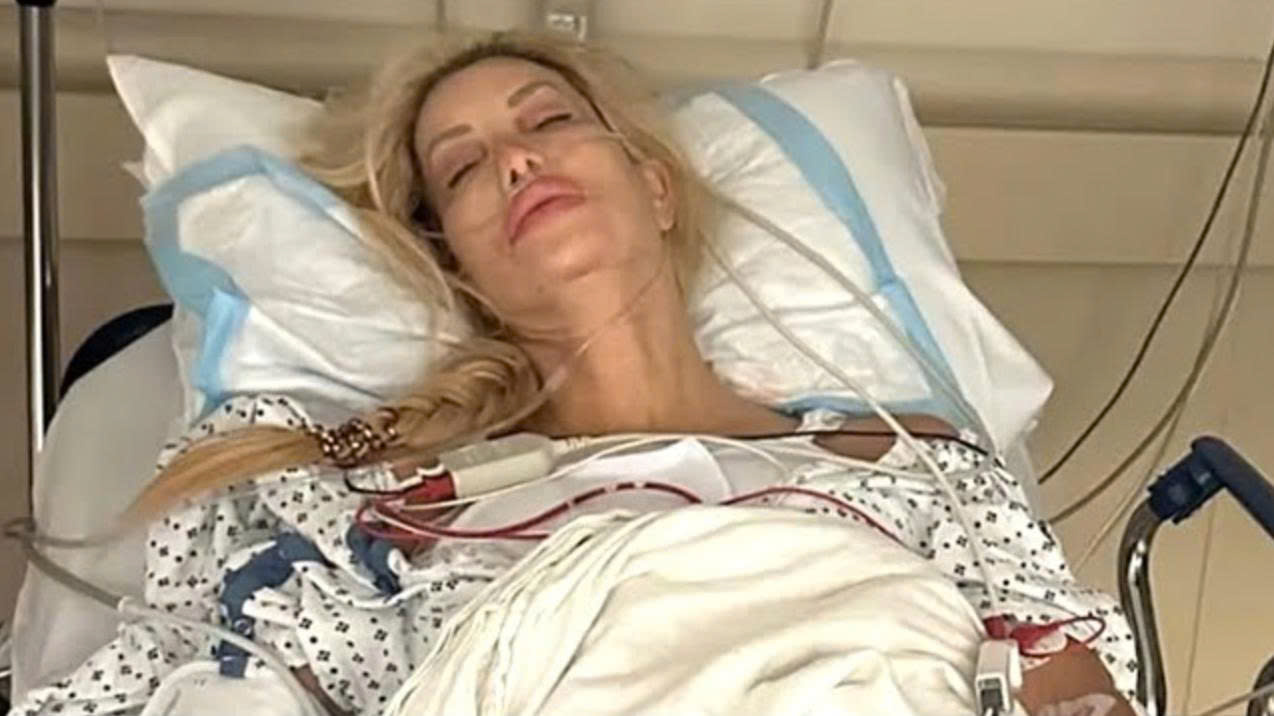
90 Day Fiancé alum Nikki Exotika before and after her recent breast reconstruction surgery, which she says nearly cost her life.




Emergency Under the Knife: Excessive Bleeding and a Blood Pressure Crash
The drama unfolded immediately following Nikki’s recent breast reconstruction surgery, a long-delayed procedure intended to correct painful scar tissue from a previous 2019 operation. What was meant to be an outpatient recovery quickly escalated into a fight for her life.
“Nikki wasn’t doing well after a very complicated surgery,” a close friend, Mike, shared on her Instagram on October 15, 2025.
The core of the crisis? Excessive bleeding and a dangerous drop in blood pressure.
- The Suspect: According to Mike’s update, Nikki had admitted to taking Advil (which contains an NSAID, or Non-Steroidal Anti-Inflammatory Drug) for headaches in the days leading up to the procedure.
- The Risk: Medical warnings are clear: NSAIDs like Advil or ibuprofen can dangerously thin the blood and significantly increase the risk of hemorrhage during and after surgery. The National Library of Medicine reports that taking these drugs before a surgical procedure has been linked to an increased risk of bleeding.
- The Toll: Nikki, 42, was left “very weak” and, according to Mike, initially refused a blood transfusion. Doctors worked quickly, administering medication to stabilize her blood pressure, eventually allowing her to return home the following day.
Nikki later confirmed her trauma on social media: “I’m very weak and in a lot of pain. All I will say is I’m lucky to be alive right now!”
The Legal High-Wire: Medical Malpractice and Your Right to Consent
Nikki’s ordeal puts the spotlight on the most crucial legal standard in US healthcare: the requirement of Informed Consent.
In the United States, patients undergoing any procedure, especially elective or cosmetic surgery, are protected by the duty of care owed by surgeons and healthcare providers. This duty requires the clinician to act with the skill and competence of a reasonably qualified professional in the field—the Standard of Care.
According to the American Bar Association (ABA), medical malpractice occurs when a healthcare provider “deviates from the recognized ‘standard of care’ in the treatment of a patient,” leading to injury or harm.
The Standard of Care in Cosmetic Surgery
For cosmetic procedures like Nikki’s, the standard of care is rigorous and begins long before the incision. A surgeon’s duty includes a thorough pre-operative assessment—a detailed review of the patient’s complete medical history, supplements, and all medications.
- Was there a breach of the Standard of Care? Did the surgeon or their team fail to take a complete medication history? Did they fail to explicitly warn Nikki about the dangers of NSAIDs/Advil before surgery?
- Was Informed Consent adequate? Informed consent is more than just a signature on a waiver. It means the surgeon must disclose all material risks that a reasonable person would want to know before agreeing to a procedure. The risk of life-threatening hemorrhage from a common over-the-counter drug is certainly a material risk.
According to Robert Painter, a board-certified medical malpractice attorney based in Houston, Texas, “Doctors and hospitals have a duty to tell patients about all material risks before a procedure, so they can make an informed decision. If they fail to do that, and something goes wrong, it may constitute medical malpractice.”
What Nikki’s Case Means for Patients
If Nikki’s life-threatening complications were worsened by an inadequate pre-operative assessment or a failure to clearly warn her about the Advil risk, it could potentially fall within the scope of medical negligence.
- Duty: The surgeon agreed to treat Nikki.
- Breach: The surgeon failed to meet the Standard of Care (e.g., inadequate screening for blood-thinning drugs).
- Causation: The breach directly led to the injury (e.g., the lack of warning resulted in her taking Advil, causing excessive blood loss and her subsequent health crisis).
- Damages: She suffered actual harm (e.g., prolonged hospitalization, pain, and emotional distress).
Legal Protections for Every American Patient
Nikki Exotika’s dramatic story is a vital consumer lesson. For any US citizen considering an elective procedure, understand your rights:
- Right to Full Disclosure: You have the right to receive full, understandable disclosure of all surgical risks, alternatives, and potential drug interactions, like the danger of NSAIDs (Advil, ibuprofen, Aleve) before surgery.
- Right to Records: Obtain copies of your medical records and consent forms. These documents are vital evidence if complications arise.
- The Statute of Limitations: In the US, every state has a strict deadline—known as the Statute of Limitations—for filing a medical malpractice lawsuit, typically between two to three years from the date the harm was discovered. If you suspect negligence, time is critical.
The American Society of Plastic Surgeons advises patients to fully disclose all medication use and health conditions before elective procedures. The failure to provide or obtain this information can lead to both catastrophic medical outcomes—as Nikki experienced—and complex legal repercussions for all parties involved.
As Nikki Exotika continues her recovery and shares her experience, her vulnerability is shining a light on the serious legal and medical obligations surrounding the booming cosmetic surgery industry. Her message is clear: Informed consent is not a formality—it is your ultimate protection.
The latest updates confirm Nikki is home and resting, but her ongoing recovery—and the high-stakes legal questions raised by her ordeal—will continue to keep the star firmly in the spotlight. See video here.